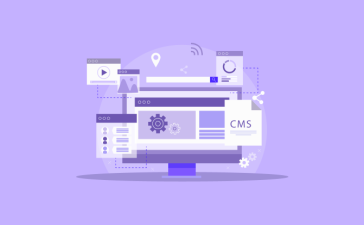

Web design has transformed dramatically over the past two decades, shifting from static HTML pages to immersive, user-centered digital experiences powered by sophisticated frameworks, AI-driven personalization, and design philosophies grounded in psychology and behavior. In today’s digital-first world, a website is often the primary touchpoint between businesses and their audiences—making effective web design not just an aesthetic pursuit, but a strategic one. This article explores the evolution of modern web design, the principles guiding high-quality interfaces, the trends shaping the industry today, and what the future may hold for designers and users alike.
From Static Pages to Dynamic Experiences
The earliest websites were simple documents—text-based pages with a few hyperlinks and very limited functionality. As browsers grew more capable and CSS standards emerged, designers began to introduce layouts, colors, and typographic styles. The introduction of JavaScript subsequently enabled interactivity, collapsing the divide between websites and applications.
Web 2.0 brought rounded corners, gradients, social sharing, and community-driven content. But it also introduced a new mindset: websites were not just places to read information but places to interact, share, purchase, and collaborate.
Today, web design is a comprehensive discipline combining:
-
UX (User Experience) strategy
-
UI (User Interface) aesthetics
-
Responsive design
-
Front-end development
-
Human-computer interaction principles
-
Accessibility standards
Websites no longer simply display content—they deliver experiences tailored to user needs, devices, and contexts.
Core Principles of Effective Web Design
Regardless of trends, certain foundational principles remain essential.
1. User-Centric Thinking
Every layout, color, and interaction needs to be purposeful. Designers rely on user research, personas, and testing to ensure decisions support real user goals—not assumptions. A user-centered approach reduces friction, increases engagement, and builds trust.
2. Clear Visual Hierarchy
The human eye follows patterns. Proper contrast, spacing, and typography guide users to what matters most. Headlines must communicate quickly. Buttons must stand out. Content must be digestible. Without hierarchy, even beautiful designs become confusing.
3. Consistency Across Pages
Predictable patterns help users navigate seamlessly. Consistent button styles, navigation, and typography reduce cognitive load, making experiences feel smooth and intuitive.
4. Mobile-First and Responsive Design
With more than half of global web traffic coming from mobile devices, responsive design is no longer optional. Designers prioritize smaller screens first, ensuring clarity on mobile before scaling up to desktops.
5. Accessibility and Inclusivity
An accessible website accommodates everyone—including people with disabilities. This includes proper color contrast, keyboard navigation, alternative text for images, descriptive link labels, and semantic HTML. Beyond compliance, accessibility broadens a site’s reach and demonstrates a commitment to inclusive design.
6. Fast Performance
Users expect websites to load quickly. A delay of even one second can impact conversion rates. Designers must collaborate with developers to optimize images, minimize scripts, and build with performance in mind.
Top Web Design Trends in 2025
As technology evolves, so does the aesthetic and functional landscape of the web. Several trends are shaping the future of digital experiences.
1. AI-Enhanced Personalization
Artificial intelligence now helps websites adapt to user behavior. Dynamic content, smart product recommendations, predictive search, and automated layout adjustments are becoming standard. Designers must balance personalization with privacy and transparency.
2. Minimalism with Bold Expression
Clean, spacious layouts remain popular—but with vibrant twists. Bold typography, oversized headings, expressive color palettes, and strategic use of whitespace create clarity while elevating branding.
3. Micro-Interactions and Subtle Animations
Hover effects, button animations, scrolling transitions, and feedback animations add life to interfaces. These small touches can make a site feel more intuitive and engaging, as long as they do not compromise performance.
4. 3D Elements and Immersive Interfaces
Thanks to improved browser capabilities and WebGL technologies, 3D images, interactive product displays, and immersive backgrounds are more accessible. These elements enhance storytelling, especially for e-commerce and creative brands.
5. Dark Mode and Adaptive Color Systems
With operating systems supporting dark mode universally, websites increasingly offer both light and dark themes. Adaptive color systems ensure readability and aesthetic consistency across modes.
6. Voice and Gesture Integration
With the rise of smart devices, voice-based navigation is emerging in web contexts. Gesture interactions—especially on mobile—improve usability and accessibility, opening new opportunities for interactive design.
The Role of UX Research in Web Design
Behind every successful web design lies a foundation of research. Understanding user motivations, pain points, and behavior shapes decisions ranging from layout to copywriting.
Effective UX research includes:
-
User interviews
-
Competitive analysis
-
Usability testing
-
Heatmaps and analytics
-
Customer journey mapping
This research helps designers create intuitive pathways, reduce friction, and enhance satisfaction. A well-designed site feels effortless because it was built on clear insights.
Brand Identity and Storytelling
Modern web design integrates branding at every touchpoint. Colors, fonts, imagery, spacing, and tone all communicate a brand’s personality. Instead of simply showcasing products or services, websites now tell stories—through visuals, interaction flow, and content strategy.
A coherent brand experience leads to stronger emotional connections and higher customer loyalty.
The Future of Web Design
Looking ahead, several innovations are set to influence the industry.
1. AI-Driven Design Tools
Tools like Figma, Webflow, and emerging AI-based generators will evolve, enabling automatic layout generation, real-time accessibility checks, and instant design-to-code pipelines. Designers will shift toward curation, strategy, and refinement rather than repetitive manual work.
2. Hyper-Personalized Web Experiences
Websites will increasingly behave like adaptive systems—changing layouts, recommendations, and navigation based on user context, history, and preferences.
3. More Immersive Virtual Environments
As AR and VR technologies advance, websites may incorporate holographic interfaces, virtual showrooms, and spatial navigation.
4. Ethical and Sustainable Design
With growing awareness of digital carbon footprints, designers will optimize for sustainability by reducing file sizes, improving efficiency, and minimizing unnecessary animations or scripts. Ethical design will also grow, focusing on privacy, transparency, and user well-being.
Conclusion
Web design is no longer about building digital pages—it’s about shaping experiences, telling stories, and fostering meaningful interaction between brands and users. The most successful websites blend creativity with functionality, aesthetics with accessibility, and innovation with user-centric thinking. As technology evolves, the role of web designers will continue to grow, demanding a blend of technical expertise, strategic insight, and artistic vision.
In a world where first impressions happen online, thoughtful web design has never been more essential.